
Reducing greenhouse gas emissions across our operations and value chain is a key part of Evertis’ sustainability strategy.
As a manufacturer of PET films, a significant share of our carbon footprint is associated with the production of raw materials used in our products. Our decarbonisation approach therefore combines operational improvements with actions that reduce emissions across the packaging value chain.
We focus on improving energy efficiency, increasing renewable electricity sourcing, and working with suppliers and partners to lower emissions associated with raw materials, transportation, and product end-of-life.
Circular material solutions also play an important role. By expanding the use of recycled PET and supporting circular packaging systems developed through our Transforming Circularity Strategy we contribute to reducing the carbon footprint of both our operations and the packaging value chain.

“We believe that meaningful progress requires honesty about where we stand today, and the courage to set targets we can genuinely deliver.”
Understanding where emissions occur is an essential step in developing effective climate strategies.
In 2024, Evertis’ total greenhouse gas emissions were 518,696 tCO₂e, with the majority occurring in the value chain through Scope 3 emissions associated with raw materials, logistics, and product lifecycle activities.
This distribution is typical for the plastics and packaging sector and highlights the importance of both operational improvements and circular material solutions in reducing emissions.
In 2025, as our business grew , total emissions rose by 7% to 556,970 tCO₂e, driven primarily by higher production volumes. Because our targets are intensity-based — measuring the carbon emitted per euro of value added rather than absolute volume alone — we continue to reduce the emissions intensity of our output even as the business expands. 2025 is the first year of evidence for this: our Scope 1 & 2 emissions intensity fell 8.5%, from 451 to 413 tCO₂e per €M value added, while our Scope 3 intensity rose only marginally, by 1.1%, from 10,714 to 10,835 tCO₂e per €M value added — meaning value chain emissions grew only slightly faster than the value we added.
To guide our decarbonisation efforts, Evertis has established long-term greenhouse gas reduction targets covering both operational emissions and emissions across the value chain.
These targets have been formally approved at group level and are publicly disclosed as part of our sustainability commitments. We set these as internal, intensity-based targets rather than pursuing formal SBTi validation, in consultation with independent sustainability consultancy Anthesis, so that our decarbonisation pathway stays calibrated to specialty PET film production and our growth trajectory.
1 “Per € million value added” refers to the economic value generated by Evertis, calculated as revenue minus the cost of purchased goods and services, expressed per €1 million. Using value added as the intensity metric allows emissions performance to be assessed independently of changes in production volumes or business growth.
2 Scope 3 emissions include purchased goods and services, fuel and energy-related activities, upstream transportation and distribution, waste generated in operations, downstream transportation and distribution, processing of sold products, and end-of-life treatment of sold products
Because the majority of emissions occur in the value chain, our climate strategy combines operational decarbonisation with actions that reduce emissions across the packaging value chain.
Reducing emissions from our manufacturing operations is a key component of our climate strategy.
Across our production sites, we continuously improve energy efficiency through process optimisation, equipment upgrades, and improved energy management systems.
Transitioning to renewable electricity is another important lever. Electricity represents the largest share of energy consumed in our operations, and increasing renewable electricity sourcing significantly reduces operational emissions.
Because the majority of emissions occur upstream in the value chain, collaboration with suppliers and customers is essential to reducing our overall carbon footprint.
Our approach focuses on responsible sourcing, improving emissions transparency, and supporting lower-carbon materials and logistics solutions.
Circular material innovations, including recycled PET and tray-to-tray recycling, also contribute to emissions reductions by lowering the carbon footprint associated with virgin resin production. These solutions are developed as part of our Transforming Circularity pillar and initiatives such as Perpetuity® which help keep PET materials in circulation while reducing the emissions associated with virgin raw materials.

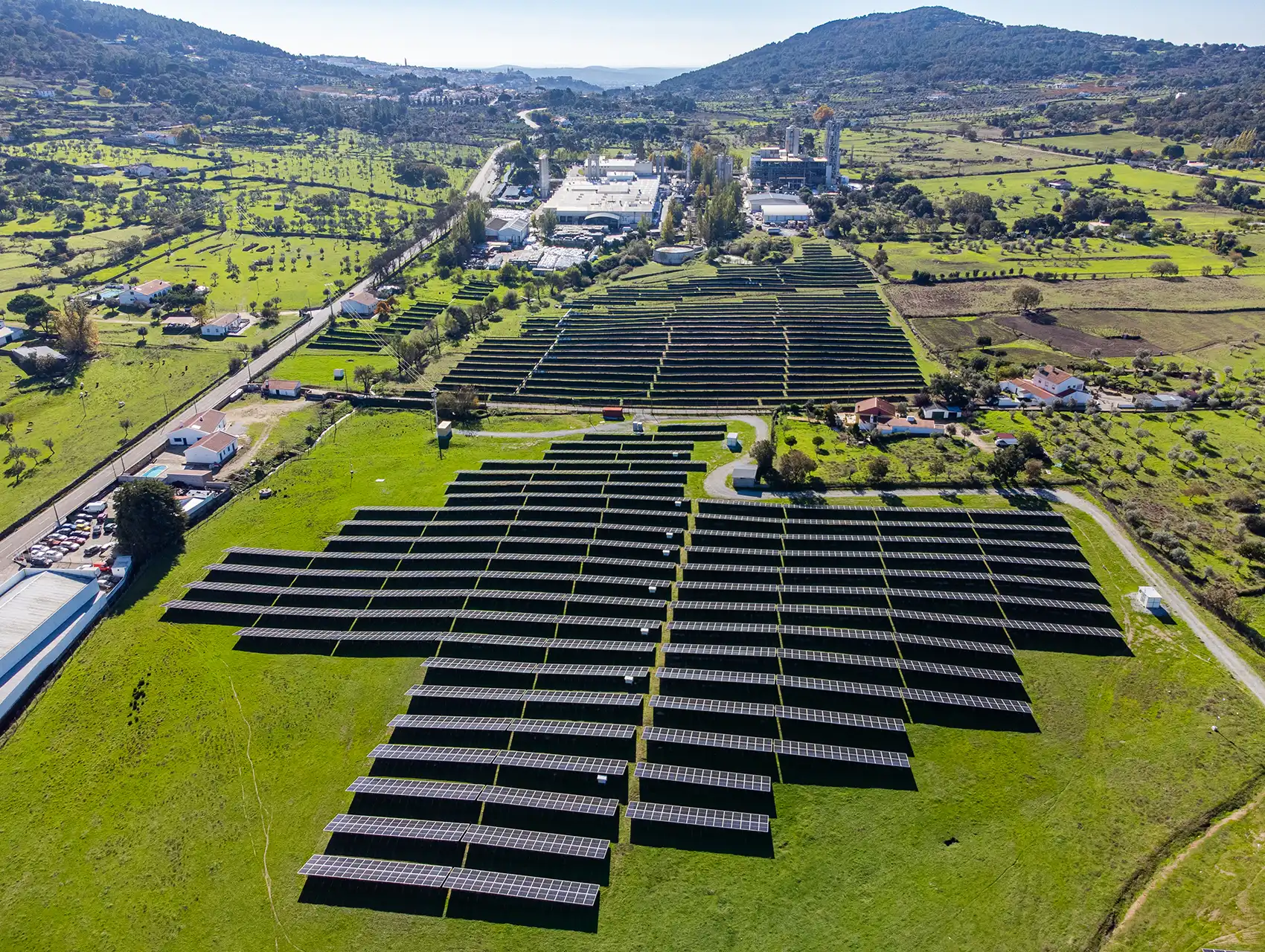
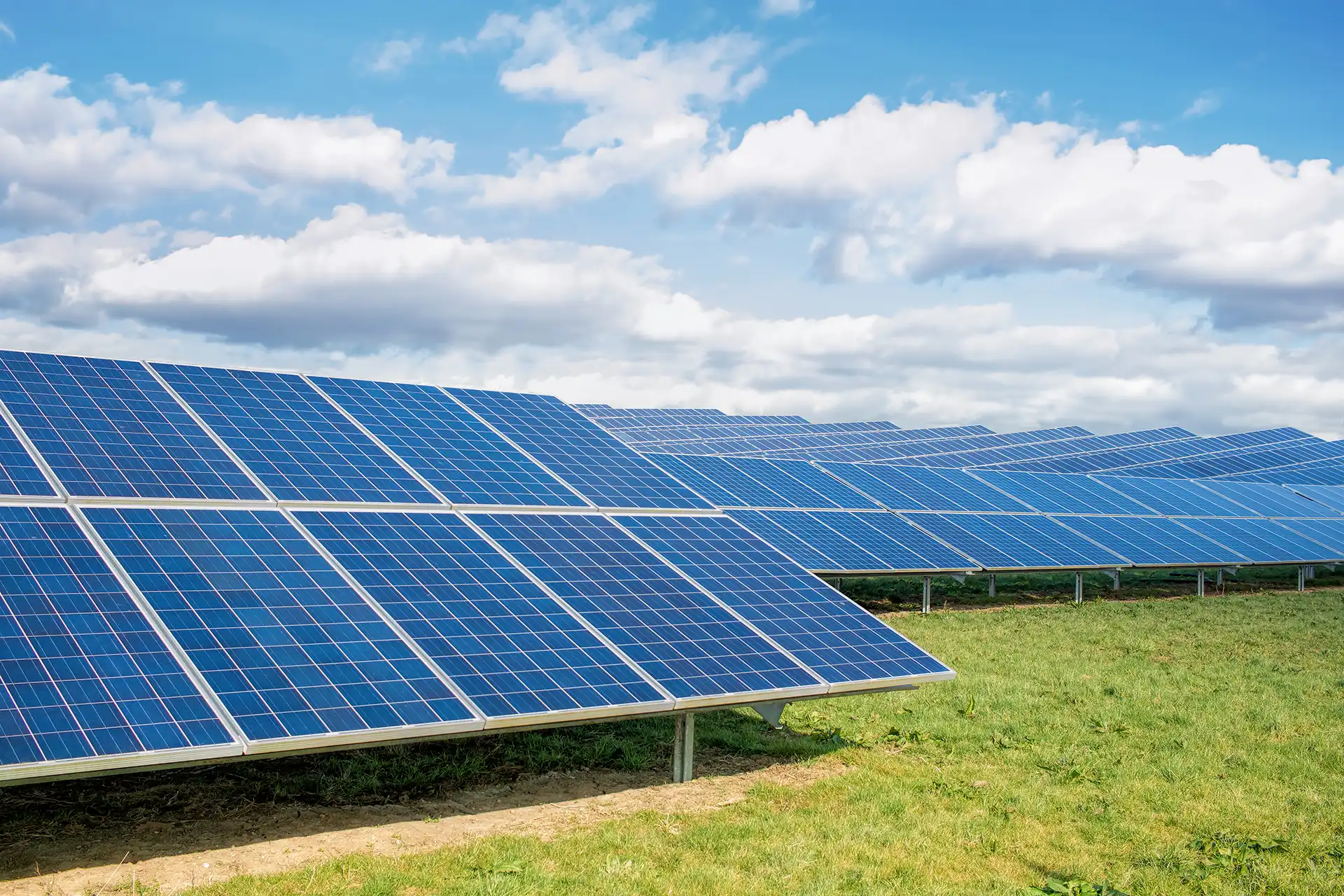
Evertis continues to expand renewable electricity sourcing through a combination of energy sourcing agreements, power purchase agreements (PPAs), and investments in on-site renewable energy generation where feasible.
These actions support our target of achieving 100% renewable electricity sourcing by 2035, helping reduce the emissions associated with the production of circular and recyclable PET materials.
Our on-site solar parks at Portalegre (Portugal) and San Giorgio (Italy) together generated 6.7 GWh in 2025 and are scheduled for major expansion in 2026, adding 4.6 MWp and 5.5 MWp of capacity respectively — signed, committed investments that will materially increase the renewable share of our electricity mix from 2026 onwards.

“2025 is the first year where the direction of travel shows up clearly in the numbers. The renewable share moved by twenty-two percentage points, total energy use rose with production, and intensity improved — three things happening at once.”


Progress against our climate targets is monitored annually through greenhouse gas inventories prepared in accordance with the GHG Protocol.
Performance is reviewed through internal sustainability governance processes to support transparency, accountability, and continuous improvement.
These assessments help us track emissions reductions across operations while also supporting the development of lower‑carbon circular packaging solutions.
Reducing emissions in the plastics value chain requires both operational improvements and circular material solutions.
Increasing the use of recycled PET, improving recyclability, and developing closed-loop recycling systems help reduce the emissions associated with raw material production.
By combining operational decarbonisation, renewable electricity, and circular PET solutions, we support the transition toward lower-carbon and more circular packaging systems.
We monitor and improve environmental performance across our operations through strong management systems, responsible resource use, and continuous operational improvements.




Life Cycle Assessment (LCA) helps evaluate the environmental impacts of packaging across the full product life cycle — from raw material sourcing and film production to packaging use and end‑of‑life management.
At Evertis, our cradle to gate LCA calculations support better decision-making in product design by identifying opportunities to reduce environmental impacts through material efficiency, increased recycled content, and improved recyclability.
Insights from Life Cycle Assessment support the development of circular packaging solutions and help identify opportunities to reduce emissions across the value chain. LCA therefore plays an important role in guiding both our Transforming Circularity and Accelerating Decarbonisation strategies. Our LCA work follows the European Commission’s Product Environmental Footprint (PEF) method. In 2026, we will extend our methodology from cradle-to-gate to cradle-to-grave for products where end-of-life dynamics are decisive — starting with EcoSeal™ — and complete external assurance of our LCA methodology.

Reduce material use through lightweight packaging

Increase recycled content

Improve recyclability of packaging structures

Lower the overall carbon footprint of packaging
