
Acting with integrity is fundamental to how we operate and create long-term value. We are committed to conducting business in a responsible, transparent and accountable manner across our operations and value chain.
Integrity is not only a principle, but a core enabler of sustainable growth, trust and long-term partnerships. It underpins how we make decisions, manage risks and engage with our stakeholders across all geographies.
Our governance model ensures that ethical principles are consistently embedded in decision-making, guiding how we engage with employees, partners and stakeholders worldwide.
In an increasingly complex regulatory and business environment, we continuously strengthen our governance frameworks to ensure alignment with evolving standards, mitigate risks and reinforce a culture of accountability across the organisation.

"Ethical business conduct is fundamental to how we operate and create long-term value. In 2025, we strengthened our governance frameworks, enhanced risk management processes and reinforced a culture of accountability across the organisation. This ensures that our commitments are consistently translated into action throughout our operations and value chain."
Strong governance is the foundation of our approach to integrity. It ensures that ethical principles are not only defined, but actively embedded in how decisions are made, risks are managed and performance is monitored across the organisation.

Code of Ethics guiding behaviour and decision-making

Supplier Code of Conduct ensuring responsible value chain practices

Integrated management systems supporting compliance and continuous improvement

Confidential whistleblowing mechanisms enabling safe reporting

Regular training and awareness programmes reinforcing a culture of integrity
Strong governance is the foundation of our approach to integrity. It ensures that ethical principles are not only defined, but actively embedded in how decisions are made, risks are managed and performance is monitored across the organisation.
Our governance framework ensures accountability at all levels of the organisation and supports the effective implementation of our ethical standards.

Board-level oversight of sustainability and risk

Ethics & Compliance Committee overseeing integrity and whistleblowing

Sustainability Committee aligning ESG priorities with business strategy

Dedicated Compliance Officer monitoring implementation and performance
Our governanceframework ensures accountability at all levels of the organisation and supportsthe effective implementation of our ethical standards.
The Board oversees sustainability-related impacts, risks and opportunities, including climate-related and regulatory risks, and receives regular updates from Group Management. A designated Board member holds specific accountability for sustainability performance.
Group Management approves the sustainability strategy and ensures ESG priorities are embedded in business decisions and operational targets, translating Board-level direction into implementation, resourcing and performance monitoring.
Chaired by the Compliance Officer, the Committee operates independently and reports directly to Group Management, with unrestricted access to the Board. It oversees the whistleblowing mechanism, supervises the assessment, investigation and resolution of reported cases, and oversees the development and periodic review of ethics-related policies, training and compliance risk monitoring.
Chaired by the Chief Sustainability Officer, the Committee reports on a quarterly basis to the Board and Group Management, drawing on cross-functional senior leadership from across IMG Group, Evertis and Selenis.
Members receive regular briefings on regulatory developments, climate risk updates and ESG performance trends to support informed decision-making.
The Sustainability Committee plays a central role in embedding integrity, sustainability and responsible governance across the organisation. Acting as a cross-functional body, it ensures that ethical, environmental and social considerations are systematically integrated into business decision-making processes.
Composed of senior leadership and key functional representatives, the Committee enables alignment between strategy and operations, facilitating coordination across departments and geographies. It meets regularly to review performance, monitor progress against sustainability priorities and address emerging risks and opportunities.
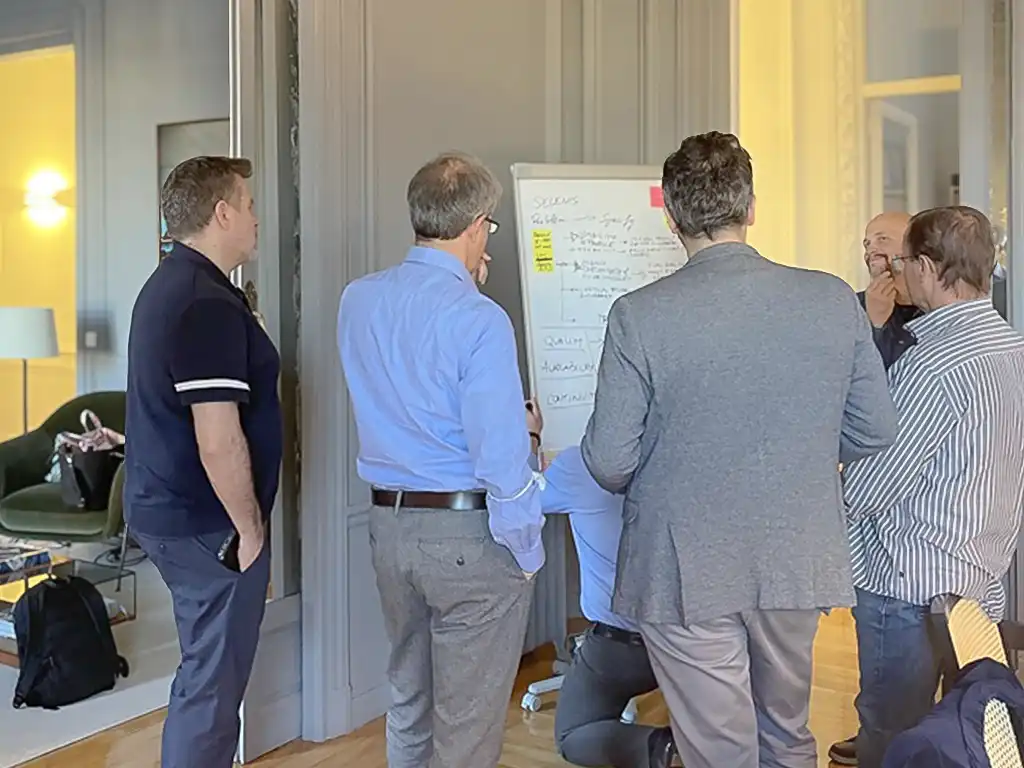
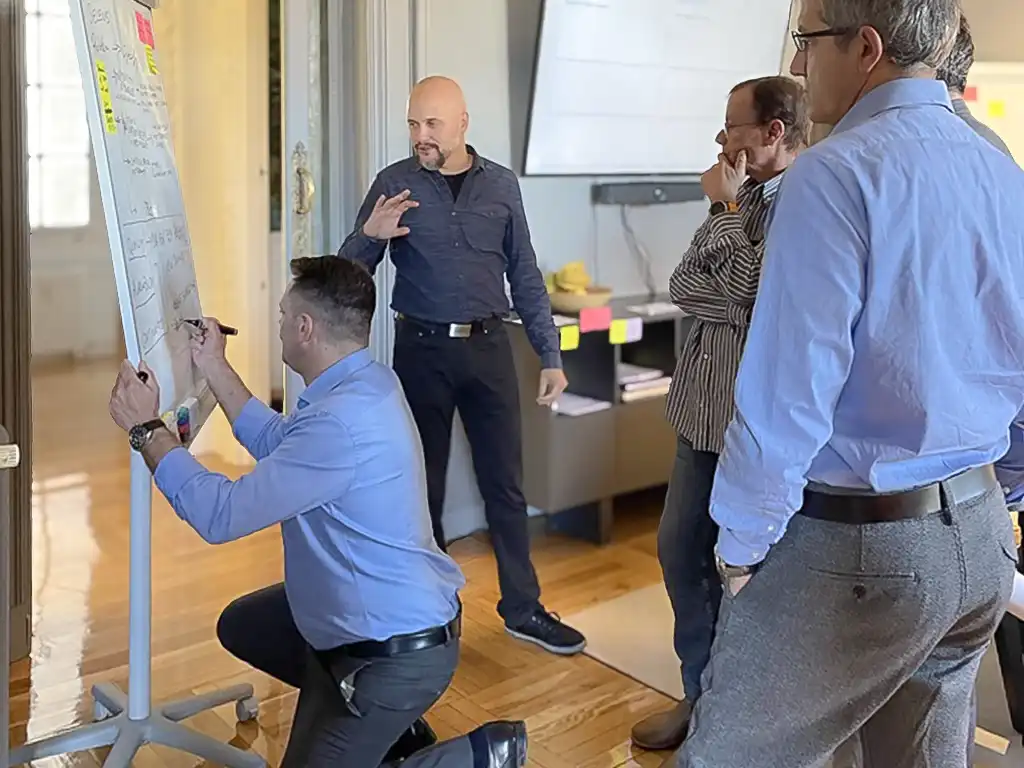
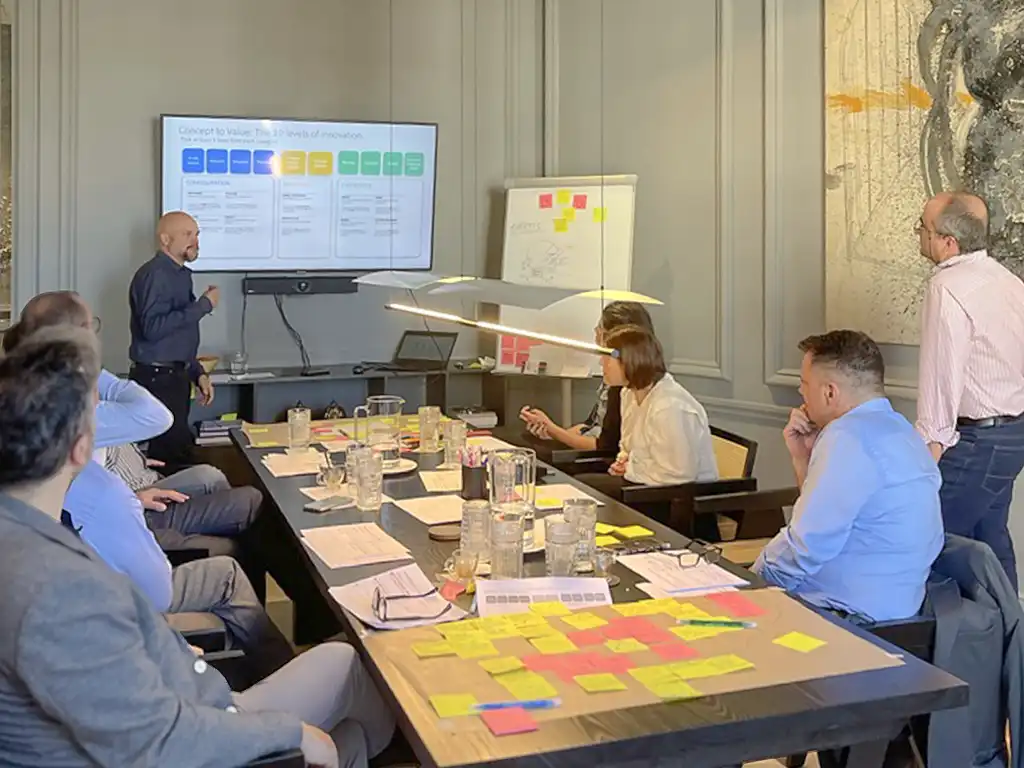
By providing structured oversight and enabling cross-functional collaboration, the Sustainability Committee strengthens accountability and ensures that sustainability is embedded as a core component of business strategy and long-term value creation.
This governance structure enables clear accountability across all levels of the organisation, while ensuring that sustainability, ethics and compliance are fully integrated into strategic and operational decision-making. It also allows for effective escalation, independent oversight and continuous improvement of our practices.
We continuously strengthen our systems and processes to ensure that our commitment to integrity is reflected in day-to-day operations.
In 2025, we focused on reinforcing internal controls, improving risk identification and strengthening awareness across the organisation.
Evertis’ Code is not based only on a set of norms, but also on a reflection of our unwritten corporate culture that gives meaning to the values and principles that lead us on our decision-making process throughout the years.
The Code establishes the rules and procedures that all Evertis’ employees must follow, and it is inspired by our vision, mission, and values. Additionally, the Code provides support and guidance to ensure that our conduct always meets the highest ethical standards.

Zero cases of corruption or environmental non-compliance identified in 2025
All concerns reported through the whistleblowing channel thoroughly investigated

Strengthened anti-corruption risk assessment processes

Implementation of human rights risk mapping
Ongoing ethics and compliance training across all sites
These actions reflect a proactive approach to risk management and reinforce our zero-tolerance stance on corruption and unethical behaviour. They also demonstrate our commitment to transparency and accountability, ensuring that concerns are addressed in a timely and structured manner.
In 2025, we further reinforced our internal control systems and governance processes, supporting a more proactive identification of risks and continuous improvement in ethical performance.

Fostering a culture of integrity requires creating safe and accessible channels for raising concerns. Our whistleblowing mechanism enables employees and external stakeholders to report issues confidentially and, where necessary, anonymously.
All reported cases are reviewed by the Ethics & Compliance Committee and handled in accordance with established procedures, ensuring confidentiality, impartiality and protection against retaliation.
All reported cases are reviewed by the Ethics & Compliance Committee and handled in accordance with established procedures, ensuring confidentiality, impartiality and protection against retaliation.
In 2025, we received ten reports through the Whistleblower Channel. All were thoroughly investigated: nine cases have been closed and one remains under investigation in accordance with internal procedures, pending feedback from involved parties. Reports are escalated to Group Management level through the Ethics Committee, whose composition includes Group Management representation, a C-Level executive and an external lawyer.
Following our annual global training on human rights and ethics, covering child labour, human trafficking, corporate and individual responsibilities and access to remedy, 109 employees across the Group completed a knowledge questionnaire, with an average correct response rate of 84%.
Employee feedback was highly positive, and recommendations for expanded content and more frequent sessions will be incorporated into the 2026 training plan, which also aims to reach a broader group of employees.
“It’s the right thing to do, and it makes customers trust us more. This was a fantastic training, and I appreciate that these are important issues for the company as a whole. It makes me feel good about working here.”
We extend our ethical standards beyond our own operations to our partners and suppliers, recognising that responsible business conduct must be upheld across the entire value chain.
Our approach to responsible sourcing is guided by clear expectations, structured processes and ongoing collaboration with suppliers, ensuring alignment with our environmental, social and ethical standards.

Supplier Code of Conduct aligned with international standards

Integration of ESG criteria into supplier evaluation processes

Collaboration with suppliers on Scope 3 emissions and circular materials

Increased transparency, traceability and responsible sourcing practices
Our Supplier Code of Conduct establishes minimum requirements related to labour practices, human rights, environmental responsibility and ethical behaviour, including a zero-tolerance approach to child labour, forced labour and corruption. Compliance with these principles is a prerequisite for engagement with key suppliers and business partners.
In 2025, we continued to strengthen our supplier assessment processes, enabling a more targeted oversight of high-risk suppliers and supporting the prioritisation of engagement and improvement actions.
We also increased collaboration with suppliers on key sustainability topics, including the provision of life cycle assessment (LCA) data and initial alignment on Scope 3 emissions, supporting greater transparency and more informed decision-making across the value chain.
The Group supplier risk matrix is now operational, enabling more targeted oversight of high-risk suppliers, and a comprehensive review of the Supplier Code of Conduct is underway across departments to strengthen requirements and progress towards EcoVadis-aligned assessments for key partners.
Collaborations with industry associations, including ANIPAC, APIP and ABRE, continue to reinforce ethical, environmental and safety practices across our value chain.
We collaborate with suppliers on joint emissions reduction initiatives and traceability trials, such as the integration of perPETuity® flakes and testing of 30% PCR SPS cast film, alongside ongoing dialogue on materials, chemicals and waste management. Supplier evaluation processes are aligned with our decarbonisation objectives, as defined in the Supplier Code of Conduct, and further supported by the Everbio Innovation Hub, which connects technical expertise across IMG Group to accelerate circular material solutions.
We take a risk-based and collaborative approach to supplier engagement, combining clear standards with ongoing dialogue and performance monitoring. By working closely with our suppliers, we aim to promote responsible practices across the value chain and contribute to a more transparent, resilient and sustainable packaging industry.
We remain committed to continuously strengthening our governance and ethical performance.
Enhancing supplier due diligence and ESG assessment

Expanding sustainability reporting and transparency
Advancing human rights risk management

Setting measurable targets across key ESG areas
These priorities will support the continued integration of ethical principles into our strategy, operations and partnerships, ensuring long-term value creation aligned with our sustainability ambitions.