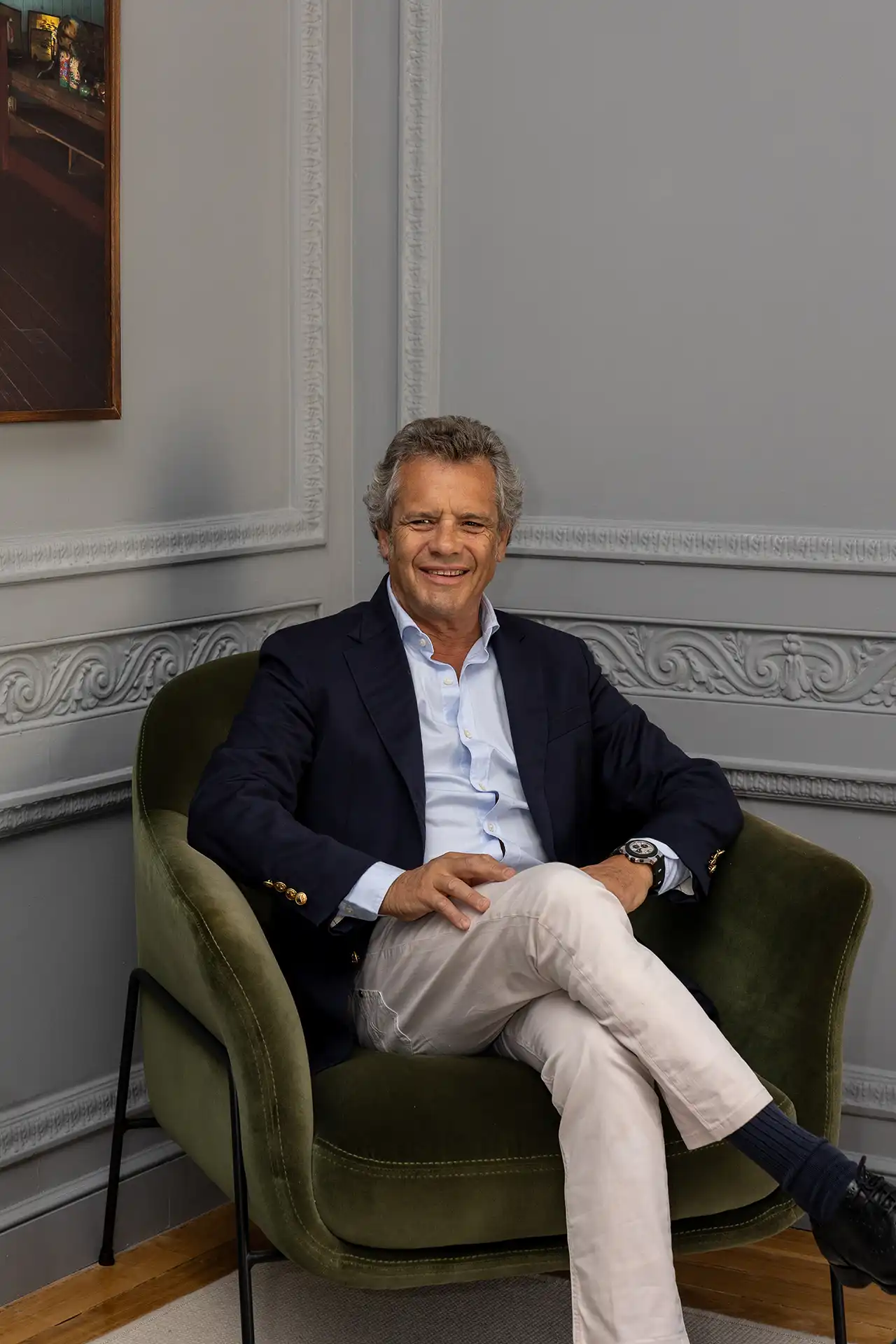
My father founded this company in 1959 on a simple idea: that industry can create lasting value for the people it employs, the customers it serves and the communities around it. More than sixty‑five years later, with the third generation of our family now leading our businesses, that idea has not changed — it has deepened.
We were the first PET recycler in Portugal, bringing circularity into the polymer industry long before it became a regulatory expectation, because we believed it was the right way to build a company meant to last. Sustainability, for us, is not a programme bolted onto the business. It is the business — expressed today in our strategy, Built with Purpose, Designed for Circularity. This report sets out how we lived that strategy in 2025, told honestly and with the transparency our stakeholders are entitled to expect.
2025 was not an easy year in which to lead a manufacturing business. Geopolitical uncertainty, a fast-moving regulatory landscape and significant pressure on both the availability of recycled materials and the pricing of virgin and recycled raw materials tested every producer in our sector. We chose to meet that environment with proactive leadership rather than caution — staying ahead of regulation, investing in readiness, and working closely with partners across our value chain. We were able to do so because sustainability is governed, not improvised: our Board, executive management and a dedicated Sustainability Committee oversee our ESG priorities, risks and opportunities directly, and our refreshed strategy for 2025-2030 organises that work around five clear priorities: transforming circularity, accelerating decarbonisation, driving inclusive circular impact, acting with integrity, and empowering our people. As a signatory of the United Nations Global Compact, we hold ourselves to its principles across everything we do.
Through all of it, two things remain non-negotiable. The first is integrity — upheld through our codes of conduct, regular training and confidential reporting channels, and owned at the highest level of the company. The second is the safety and wellbeing of our people, who are the reason any of this is possible. We do not present a perfect year; we present an honest one, with the challenges named alongside the progress, and a clear plan to do better where we must.
Looking ahead, I am especially proud of the Everbio Innovation Hub — a long-held ambition of mine, now established at our Portalegre site to unite the Group’s circular polymer innovation under one roof and develop the next generation of recycled and bio-based materials. The Everbio Innovation Hub — and the further investments we are making alongside it — are exactly the kind of long‑term, generational commitments this company was built to make. I am confident in the direction we have set, and in the responsible leadership that will carry it into the next generation. To our employees, our customers and our partners — thank you. Your trust is the foundation we continue to build on.
Manuel Matos Gil
President
IMG Group
Our 2025 to 2030 strategy, Built with Purpose, Designed for Circularity, sets the direction for the next years. It sharpens our focus on the areas where we can make the biggest difference: circular materials, lower-carbon operations, and the communities around us.
We rebuilt our carbon accounting from the ground up against a 2024 baseline and set three targets to reach by 2035. First, an 80% cut in the carbon intensity of our own operations (Scope 1 and 2, meaning the emissions we create directly and through the energy we buy). Second, 100% renewable electricity. Third, a 40% cut in the carbon intensity of our wider supply chain (Scope 3). We track intensity, the carbon per euro of value we add, so we can keep growing while lowering our footprint.
We are investing ahead of demand and ahead of new packaging rules. New plants are planned in Lithuania (first half of 2027), Badajoz in Spain (second half of 2027), and Columbia, South Carolina (early 2028). Project Everbio, a €40 million investment at our Portalegre site in Portugal, will scale up the recycling technology behind our films.
Three priorities guide our circular work from here: raising recycled content across food and healthcare packaging; scaling perPETuity®, our technology for recycling complex multilayer PET that ordinary methods cannot handle; and designing packaging that is easier to recycle, so customers can meet the EU Packaging and Packaging Waste Regulation.
We report the difficult results too. Recycled content dipped as production grew and recycled material became harder to source, and safety performance slipped at several sites. Both have named causes and active plans behind them, set out in full in our report.


Built with Purpose, Designed for Circularity is how we run Evertis from 2025 to 2030. It organises everything we do around five priorities, each with targets we report on every year.
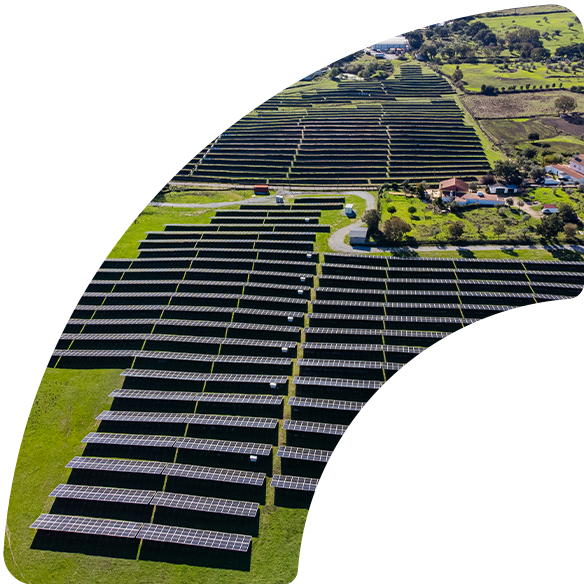
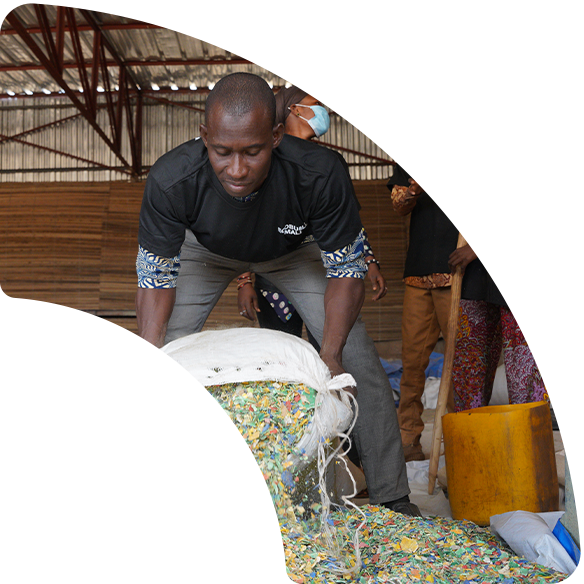
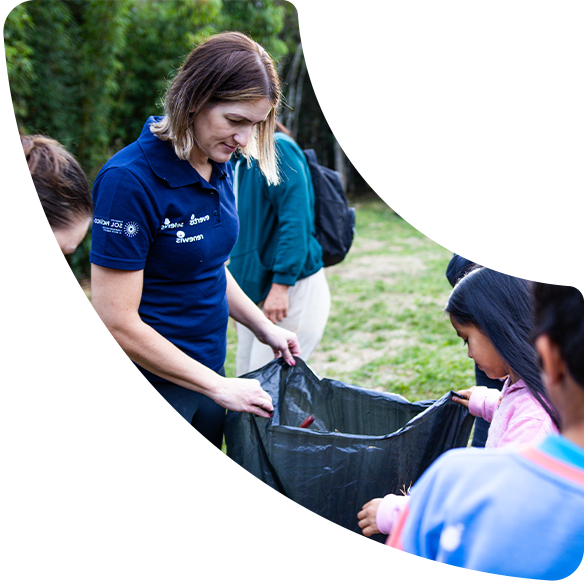


Lowering the carbon in our operations and across our supply chain.
Supporting the communities and ecosystems where we work
Designing PET films that carry more recycled material and are easier to recycle.
Building a workplace that is safe, fair and capable.
Holding to clear ethical standards across business and our suppliers.
Sustainability here is run, not improvised. Our Sustainability Committee reports to the Board every quarter. In 2025 our parent company, IMG Group, joined the UN Global Compact. We built the strategy on a double materiality assessment, which is the exercise of identifying the issues that matter most both to our business and to the world around it, and we report against the GRI and VSME standards so the figures can be checked independently. Being aware of the impacts that our activities have on our planet, Evertis efforts go beyond just minimising the impacts. Our aim is to understand and manage our environmental footprint so well, that we can contribute to the restoration of our environment and the ecosystems where we operate. In a perfect symbiosis with nature, we want to supply our products at the lowest environmental cost in terms of CO2 emissions, energy intensity and water footprint, and act in such a way that our activities nurture our ecosystems.

Sustainability here is run, not improvised. Our Sustainability Committee reports to the Board every quarter. In 2025 our parent company, IMG Group, joined the UN Global Compact. We built the strategy on a double materiality assessment, which is the exercise of identifying the issues that matter most both to our business and to the world around it, and we report against the GRI and VSME standards so the figures can be checked independently.Being aware of the impacts that our activities have on our planet, Evertis efforts go beyond just minimising the impacts. Our aim is to understand and manage our environmental footprint so well, that we can contribute to the restoration of our environment and the ecosystems where we operate. In a perfect symbiosis with nature, we want to supply our products at the lowest environmental cost in terms of CO2 emissions, energy intensity and water footprint, and act in such a way that our activities nurture our ecosystems.
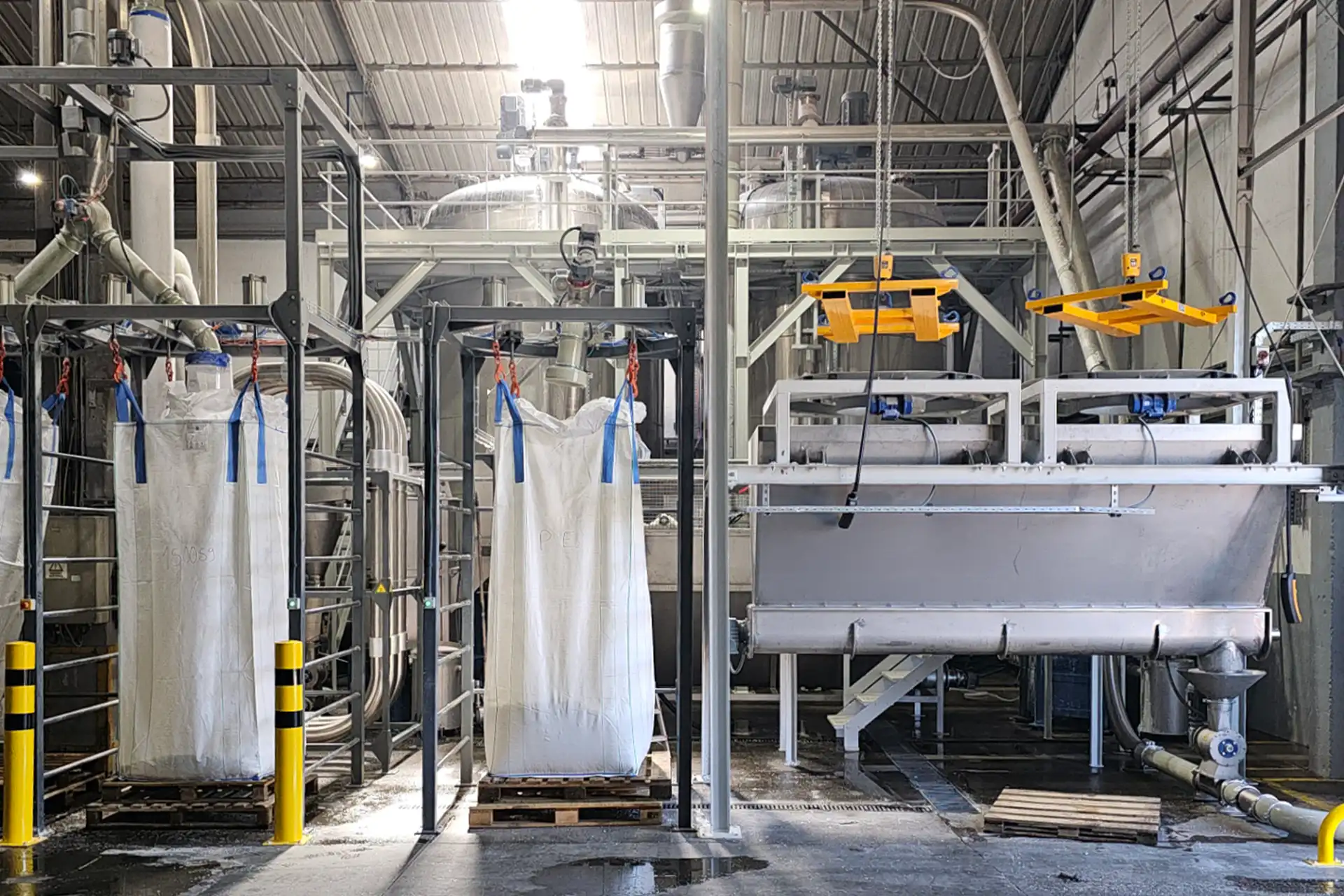
In 2025 we cut the carbon intensity of our own operations by 8.5% and raised on-site renewable electricity generation by 43%. Evertis Ibérica and Evertis Brasil both earned EcoVadis Silver, an independent sustainability rating, with Brasil rising from Bronze, and every assessed part of the business now sits in the top half of the global benchmark. Evertis México was recognised under Mexico’s CEMEFI Socially Responsible Company distinction. All our sites hold ISO 14001 certification for environmental management.
By 2035 we aim to cut operational carbon intensity by 80%, run on fully renewable electricity, and cut supply-chain carbon intensity by 40%, each measured against 2024.
Welcome to our sustainability reports section. We are committed to transparency and accountability in our efforts towards creating a more sustainable future. We believe that by measuring and reporting on our sustainability performance, we can better understand our impact on the environment, society, and the economy, and identify areas for improvement.
In this section, you will find our most recent sustainability reports, which detail our progress towards achieving our sustainability goals, as well as our challenges and opportunities. These reports cover a range of topics, from greenhouse gas emissions and energy consumption to community engagement and employee wellbeing.
We are committed to continuous improvement and welcome feedback on our sustainability reports. We believe that by working together, we can create a more sustainable future for all. Thank you for visiting our sustainability reports section, and we look forward to sharing our progress with you.