Circularity sits at the core of how we contribute to a more sustainable packaging system. As a producer of PET films for packaging and high‑performance applications, we play an important role in enabling the transition towards circular packaging by designing materials that support recyclability and enable the integration of post‑consumer recycled (PCR) PET.
Through continuous innovation in materials and close collaboration with partners across the value chain, we work to improve material efficiency, expand the use of recycled PET, and support the development of circular packaging systems. Our approach is also aligned with evolving regulatory frameworks, including the Packaging and Packaging Waste Regulation (PPWR) and Extended Producer Responsibility (EPR) schemes.
Evertis advances circular PET packaging through four complementary approaches


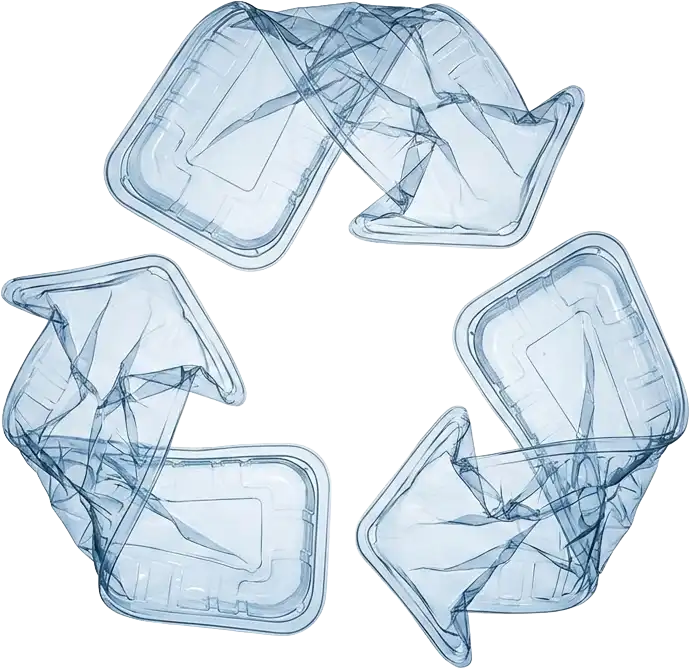
Designing packaging materials that can be effectively recycled is a key requirement for circular systems. Our PET films are developed to support compatibility with established recycling streams, helping ensure that packaging materials can be collected, sorted, and recycled at end of life.
A mono-material APET sealing film with enhanced sealing capabilities, designed to enable PET tray packaging compatible with PET thermoform recycling streams, and ensure compatibility with universal lidding films for Form‑Fill‑Seal (FFS) food trays and blister packaging applications.
In 2025, EcoSeal™ was evaluated under the Association of Plastic Recyclers (APR) Design® for Recyclability Recognition Programme and confirmed as technically recyclable in PET thermoform recycling streams following independent review and testing. With approximately 54% of US consumers having access to PET thermoform recycling, this recognition gives brands a practical way to improve recyclability without redesigning existing packaging. Packaging incorporating EcoSeal™ may also qualify for the How2Recycle®“Check Locally” label, subject to brand-level submission.

EcoSeal™ represents a meaningful step forward for the packaging industry. Gaining APR recognition confirms that recyclability and performance can go hand in hand, giving our customers a credible, ready-to-implement solution that fits within existing recycling infrastructure.”
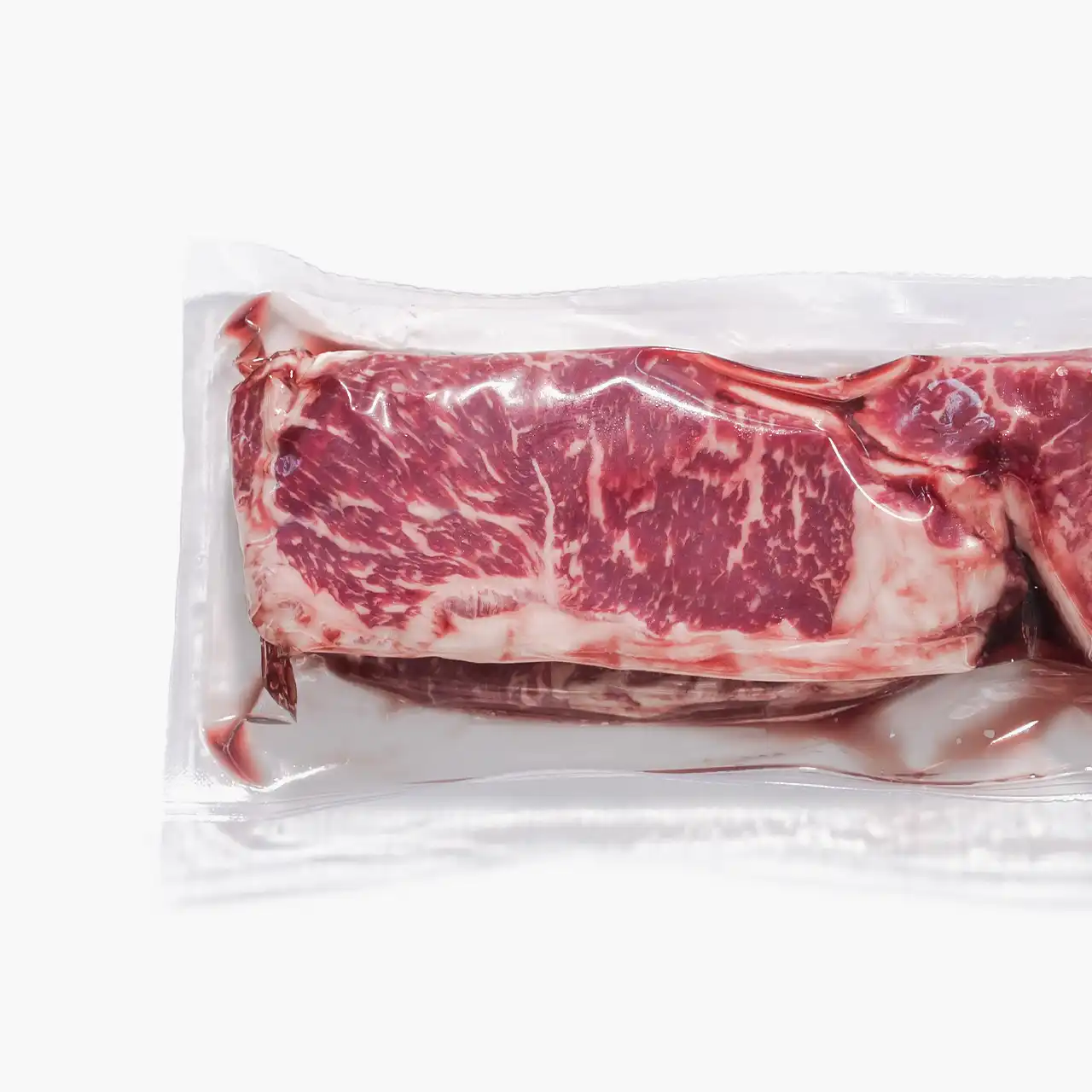
Forming films incorporating a minimum of 20% PCR PET, developed to help customers reduce reliance on virgin materials while maintaining performance for demanding food packaging applications.
Reducing the amount of material required for packaging helps lower the overall environmental impact of products and reduces resource use across the value chain.
Through continuous innovation, we develop lightweight PET film structures that maintain barrier performance and product protection while using less material.
Achieving circularity requires collaboration across the entire packaging value chain. We work with brand owners, converters, recyclers, and other partners to strengthen recycling systems and expand circular solutions for PET packaging.
Through initiatives such as perPETuity®, developed in collaboration with partners across the recycling ecosystem, we help address complex recycling challenges and support the transition towards closed-loop PET packaging systems.

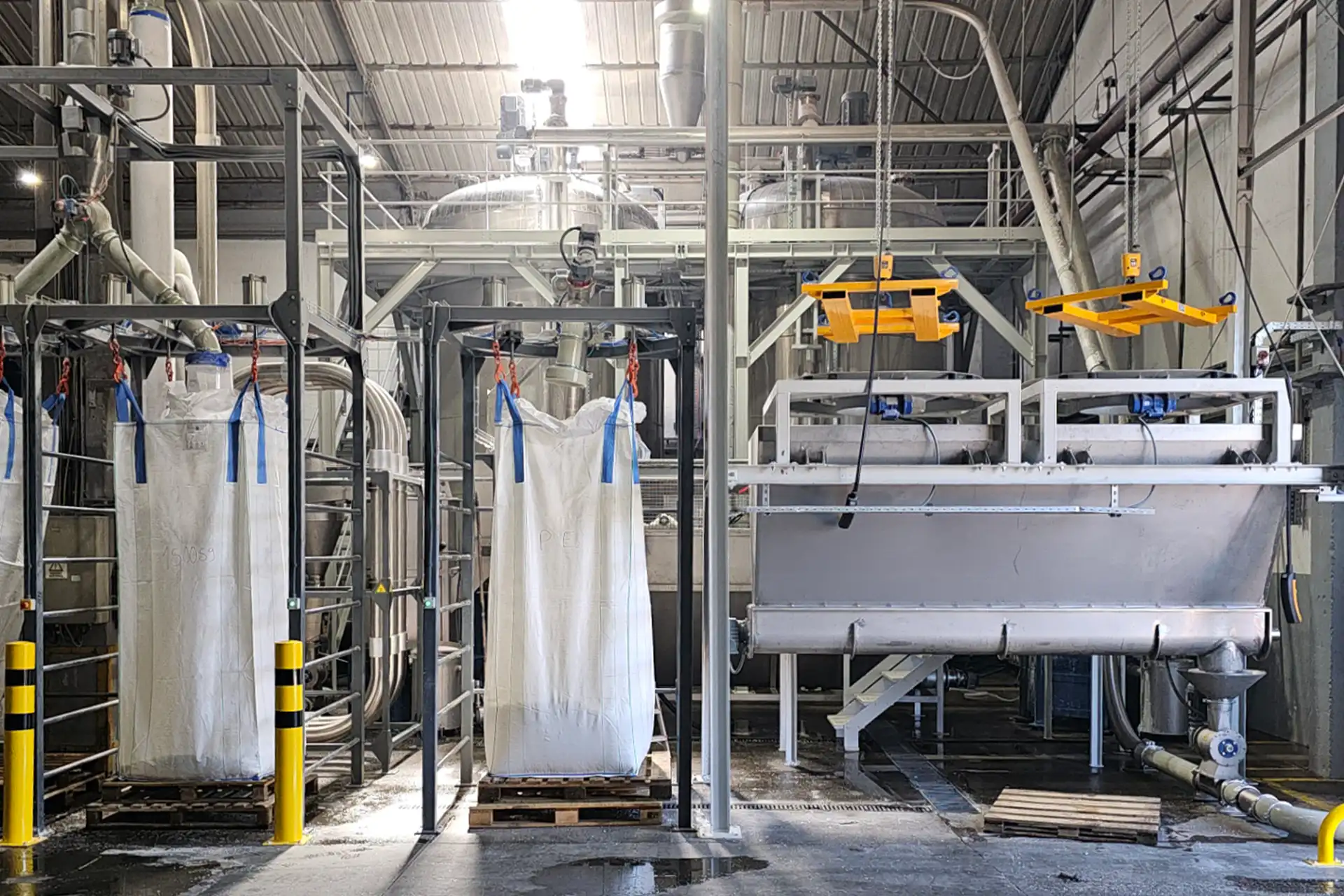
Recycling multilayer plastics remains one of the most complex challenges in the circular economy for packaging. While these materials deliver exceptional performance, lightweight, cost‑efficient, and capable of preserving food and healthcare products for extended periods, they are challenging to recycle using traditional systems, both technically and economically.
To address this industry-wide constraint, we developed a pioneering in-house delamination technology designed to separate multilayer structures into high-quality PET components. Developed within the Everbio Innovation Hub, bringing together the technical expertise of Evertis and Renascis, this innovation transforms a sustainability ambition into a scalable industrial solution for true circularity — perPETuity®.


Together, these solutions demonstrate how circularity is embedded across our product development and innovation efforts. From designing materials that support recyclability, to integrating recycled content and improving material efficiency, we work continuously to reduce the environmental impact of packaging. At the same time, initiatives such as Perpetuity®pPerPETuity® help expand the recycling capabilities needed to close the loop for PET, supporting the transition towards more circular packaging systems.
Looking beyond 2025, we are focused on expanding the use of circular and bio-based rawmaterials, embedding design-for-recycling across all product development,scaling advanced recycling solutions such as perPETuity® into more complexpackaging formats, deepening collaboration with customers, recyclers andindustry partners, and aligning our solutions with evolving regulatoryframeworks to keep them compliant, scalable and future-ready.