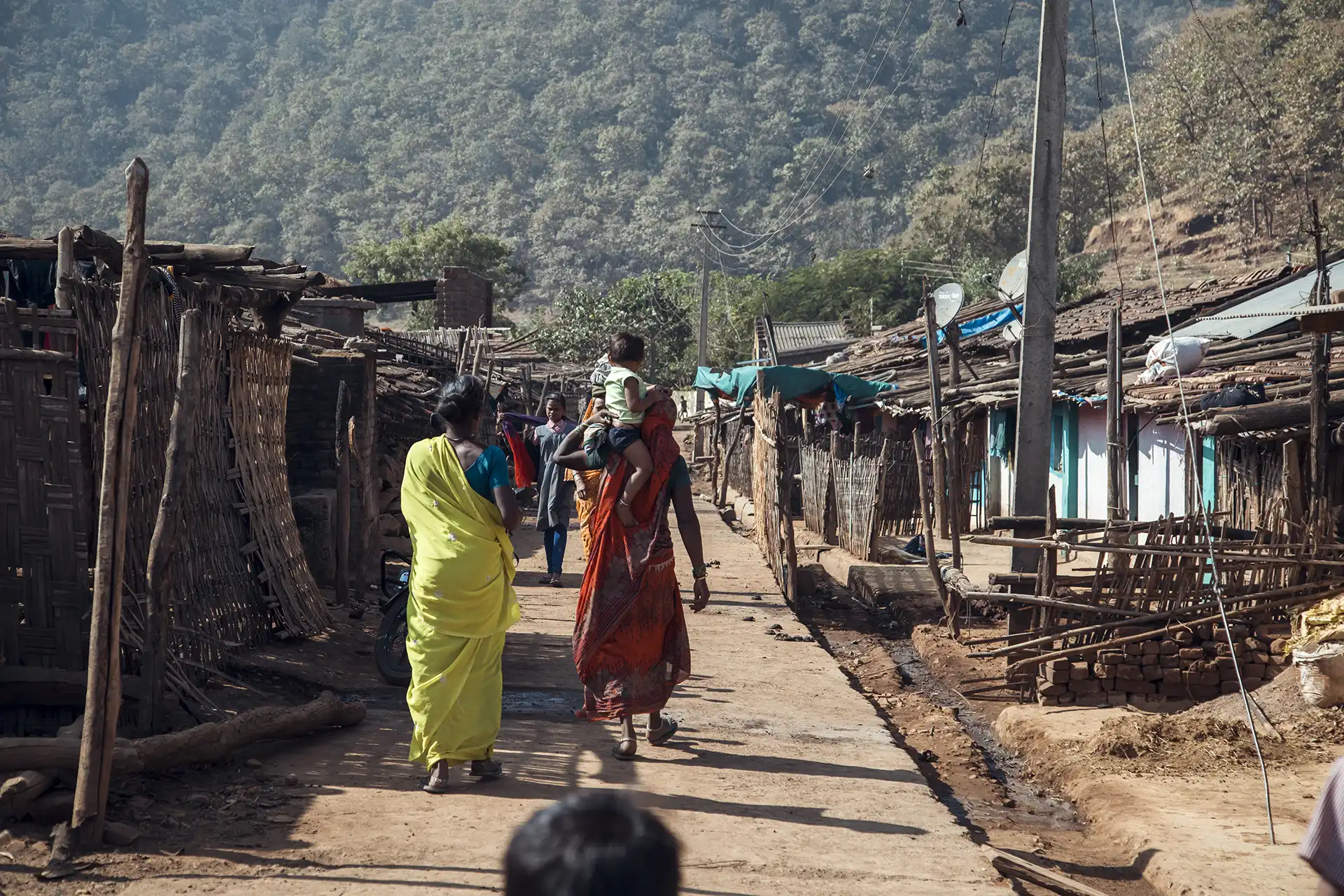
The Bamagreen project, implemented in Bamako, Mali, is the first reference model under the Plastic2Prosperity programme of the adaPETation® Network.
During 2025, the network underwent a strategic review and reorientation to strengthen its contribution to our social impact priorities. This process focused on prioritising initiatives that use plastic circularity as a tool to generate social value, including programmes that promote inclusive recycling value chains, circular innovation and community-based sustainability initiatives.
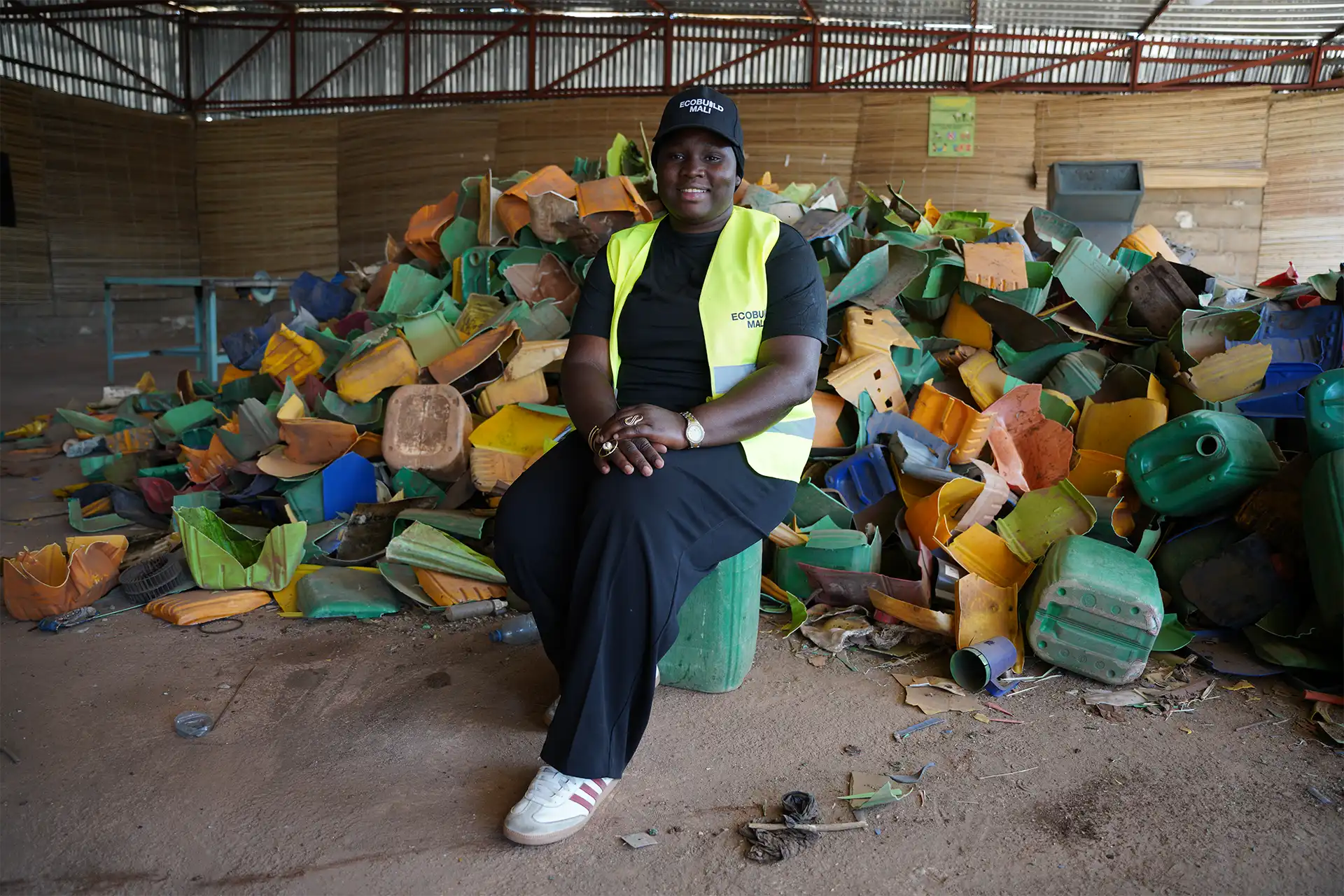
Launched in April 2025 as a two-year initiative, the pilot project is implemented through a strategic collaboration between IMG Group, Indorama Ventures and the international development organisation Ayuda en Acción, with local implementation led by EcoBuild Mali.
The initiative addresses interconnected environmental and social challenges affecting rapidly growing peri-urban areas, including plastic pollution, land degradation and limited access to sustainable economic opportunities, particularly for women, youth and internally displaced populations.
Supporting initiatives in contexts such as Mali, where waste management infrastructure remains limited, is aligned with international sustainability frameworks recognising the role of circular economy solutions in addressing environmental and social challenges. This approach reflects our commitment to extending IMG Group’s impact beyond its immediate business footprint, supporting solutions in regions where the need and potential for impact are greatest.
A central pillar of the initiative is strengthening EcoBuild Mali as a local circular economy actor, enhancing its technical, operational and organisational capacity to manage plastic recycling activities and develop a sustainable business model. Through the project, EcoBuild is supported in establishing and operating a community-based recycling workshop using the “Precious Plastic” approach, including equipment, technical training and business development support. This enables a local circular value chain, from plastic collection and sorting to transformation into reusable products, generating income and employment opportunities.
The project also supports the development of a network of plastic collectors, primarily involving vulnerable populations, including internally displaced persons. Training and income-generating mechanisms contribute to improving working conditions, strengthening skills and creating pathways to more stable livelihoods.
Alongside circular economy activities, Bamagreen promotes ecosystem restoration through the establishment of nurseries and reforestation campaigns using native species, improving biodiversity, restoring degraded land and strengthening resilience to climate-related risks such as desertification.
Community participation is central to the project’s approach. Awareness campaigns, training programmes and collaboration with local authorities and stakeholders aim to promote behavioural change, strengthen environmental stewardship and ensure long-term sustainability of the interventions.
recycling workshop infrastructure established through the installation of recycling and plastic transformation equipment
In 2025, the Bamagreen project was awarded a €900K Innovation Grant from the Spanish Agency for International Development Cooperation (AECID).
The grant will support the scaling of the initiative and the implementation of a second phase starting in 2026, developed as a consortium between IMG Group and Ayuda en Acción.
As of 2025, activities funded under this grant had not yet been implemented and are therefore not included in the impact results reported for the year.
By combining local enterprise capacity building, inclusive circular economy activities and ecosystem restoration, Bamagreen shows how community-based circular solutions can generate environmental and socio-economic value. As the first Plastic2Prosperity flagship, it offers a scalable, replicable model for similar contexts.